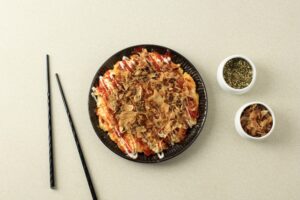
Okonomiyaki is a beloved Japanese savory pancake that captures the heart through its flexibility, flavor, and the joy of creating something personal. From regional variations to the sizzling moment it hits the teppan grill, Okonomiyaki delivers both comfort and creativity in every bite. This article explores the essence of this dish, why it matters culturally, how to enjoy it, and the best ways to bring its magic into your own kitchen, step by step, following the traditions that made Okonomiyaki unforgettable.
Okonomiyaki has traveled from the streets of Osaka and Hiroshima to restaurants and home kitchens around the world. Its appeal stems from the name itself, meaning “grill it how you like.” That message of individuality is baked into the batter, layered into the cabbage, and shared across tables among friends who flip, slice, and savor together. Before diving into techniques and flavor variations, it helps to understand the foundations that make this dish so special.
1 – Classic Osaka-Style Okonomiyaki
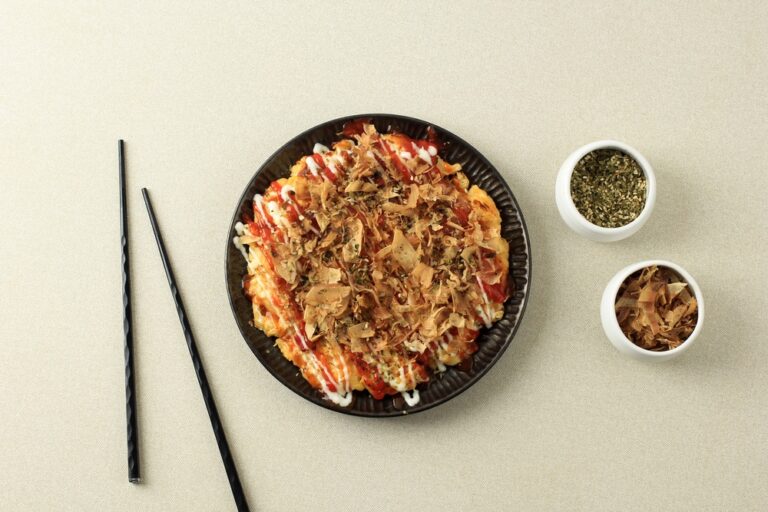
Okonomiyaki enthusiasts often start with the Osaka-style version because Okonomiyaki in Osaka is considered the most iconic representation of this pancake tradition. The batter is mixed with shredded cabbage, green onion, and protein choices like pork belly or shrimp. Once griddled, the pancake is lightly steamed under a dome to keep it fluffy inside and crisp outside. A brush of sweet-savory okonomiyaki sauce, ribbons of Japanese mayonnaise, aonori seaweed flakes, and dancing bonito flakes finish the masterpiece.
This version encourages creativity while keeping the foundations strong. Whether you choose seafood, cheese, or vegetarian options, the emphasis is always on harmony between texture and taste. That harmony makes Osaka-style Okonomiyaki a delightful introduction without complicated steps, and once mastered, you can embellish and personalize it endlessly.
2 – Hiroshima Okonomiyaki Layers
Regional pride makes Hiroshima Okonomiyaki completely unique, and Okonomiyaki here is built in layers rather than fully mixed. A thin crepe-like base forms the foundation, followed by shredded cabbage, bean sprouts, meat, noodles such as yakisoba or udon, and finally an egg cooked neatly on top before being flipped into a unified pancake. The layered approach creates a more substantial, structured dish with different textures in every bite.
Because ingredients stay separate until the end, each component maintains its character. The noodles provide chewiness, the cabbage stays crisp, and the egg locks it all together. With deep roots in post-war Hiroshima’s street-food culture, this style stands as a testament to ingenuity in difficult times and continues to be a signature culinary experience of the region.
3 – Tokyo Modan-Yaki Fusion
Restaurants in Tokyo popularized Modan-yaki, adding a modern twist to Okonomiyaki by incorporating noodles directly into the batter for a fusion of styles. The taste of Okonomiyaki in this form blends the softness of pancake batter with savory fried noodle strands, resulting in a heartier street-food snack that satisfies both noodle and pancake cravings in one dish.
The playful nature of Modan-yaki has helped it flourish throughout city neighborhoods where quick meals and fusion foods thrive. Its adaptability also makes it a great choice for home cooks who want something filling without extensive preparation. In the fast-moving culinary culture of Tokyo, this modern version reflects innovation while still staying true to the spirit of grilling what you like.
4 – Kansai Seafood Delights
Seafood elevates Okonomiyaki flavors in numerous creative ways, with Okonomiyaki chefs in the Kansai region taking special pride in the addition of shrimp, squid, octopus, and scallops to the batter. When cooked, the moisture from seafood creates extra tenderness inside the pancake while contributing a gentle ocean aroma that pairs beautifully with the rich, umami-forward sauces.
Seafood versions vary wildly depending on what is fresh and local. Markets supplying day-caught ingredients ensure a taste that feels both comforting and luxurious. For those who love surf flavors in Japanese cuisine but want a homestyle experience instead of sushi, this style provides the perfect in-between: familiar, fun, and deeply satisfying.
5 – Vegetarian Okonomiyaki Inspiration
A growing number of diners embrace meat-free meals, and Okonomiyaki easily becomes a vegetarian favorite because Okonomiyaki uses vegetables as its foundation. Classic cabbage can be joined by mushrooms, sweet potatoes, corn, or seasonal greens to build hearty layers of color and crunch. Plant-based versions skip pork belly but never skip the flavor.
Innovative sauce options also come into play for vegetarians, including miso-based spreads, sesame drizzle, or vegan mayonnaise. With the same flip-and-fry joy as traditional styles, vegetarian Okonomiyaki delivers choice without compromise: a meal full of nutrients, textures, and playful possibilities.
Home Cooking Basics
Learning to make Okonomiyaki at home starts with gathering a few essential ingredients: flour, grated yam or baking powder, eggs, cabbage, and your preferred fillings. Mixing the batter gently prevents toughness, while slicing cabbage finely keeps the pancake airy instead of dense. Cooking on a flat griddle or nonstick pan lets you control heat more easily and ensures even crisping on both sides.
Sauces are the soul of the dish. Okonomiyaki sauce, thick and tangy, comes alive when paired with creamy mayo drizzled in zigzags. A sprinkle of green aonori and smoky bonito flakes provides the final dramatic flourish. Once mastered, you can experiment endlessly with portion sizes and ingredient combinations to build your signature pancake.
Essential Tools for Perfect Results
A wide spatula becomes your best friend when shaping and flipping the pancake. Lightweight teppan spatulas sold in Japanese kitchen shops can make maneuvering easier, especially for larger pancakes. Some cooks place a lid briefly over the Okonomiyaki to steam it through without burning the surface.
Heat control matters more than speed. A medium-low flame allows the interior to cook evenly and keeps the pancake moist. Trying different pans, oils, and resting times after flipping helps build technique. With these tools and tips, success comes quickly, and confidence builds with every pancake made.
Cultural Moments Around the Grill
Shared meals define the Okonomiyaki experience as much as the food itself. Families sit around the grill at restaurants where each person prepares a personal pancake, jokes fly, and toppings become creative challenges. The sizzling sound and rising steam create excitement while sauces and condiments find their place on the tabletop like an artist’s palette.
This interactive dining style brings out laughter and cooperation. Each flip becomes a moment worth celebrating. For newcomers, this culinary experience offers a deeper window into Japanese hospitality and joy—food made not just to eat, but to make memories with others.
Healthful Variations and Balance
Nutrition can play an important role when choosing ingredients that go into the pancake. Adding fiber-rich vegetables, lean proteins like tofu or shrimp, and keeping portions reasonable helps balance pleasure with wellness. It also highlights how this dish can adapt to different health needs while preserving tradition.
Mindful adjustments allow diners to tailor sodium and calorie levels without losing authenticity. Homemade sauces made from natural ingredients and experimenting with whole-grain flour show how flexible Okonomiyaki can be for people focusing on healthier meals while still having fun with food.
Traveling With Okonomiyaki Flavor
Global food culture has welcomed Okonomiyaki through food festivals, pop-up restaurants, and packaged mixes available internationally. This expansion allows fans to enjoy the taste even far from Japan. While fresh teppan grill experiences remain unmatched, international versions help introduce new audiences to the dish.
Across borders, Okonomiyaki sparks conversations about culture, taste, and culinary storytelling. People share tips online, publish recipes, and compare regional favorites. Through travel and cultural exchange, the dish continues to evolve and inspire new styles while honoring its origins.
Kids in the Kitchen
Few dishes inspire family cooking time like Okonomiyaki because children enjoy mixing batter, sprinkling toppings, and watching flakes dance from rising heat. The recipe is flexible and forgiving, making it an ideal introduction for young cooks. Small personal pancakes allow each child to proudly say, “I made this!”
Cooking together builds practical skills and strengthens family bonds. It also encourages kids to try new vegetables in a fun way. When children participate in food preparation, they often become more adventurous eaters, expanding tastes through curiosity and creativity.
Celebrating Identity Through Food
Food can carry identity across generations, and Okonomiyaki does this beautifully. It reflects local ingredients, social connection, and pride in regional style. Even when prepared far from Japan, the dish preserves its essence of individuality—grill it how you like, make it your own, and share the joy.
Whether enjoyed at a lively restaurant in Osaka, on the bustling streets of Hiroshima, or in a home kitchen thousands of miles away, this pancake brings people together. It reminds us that food is not just nourishment but art, culture, and comfort shared across tables and time.
Experimenting With New Toppings
Modern chefs continue to invent new variations, adding cheese, chili, bacon, or even international ingredients like kimchi for tangy heat. These custom toppings show how Okonomiyaki adapts to changing tastes while retaining its core: a personalizable flavor canvas.
When experimenting, it helps to consider balance. Strong flavors can overwhelm the delicate cabbage base if not handled thoughtfully. Taste testing different toppings keeps the experience exciting, ensuring every meal becomes uniquely yours.
References