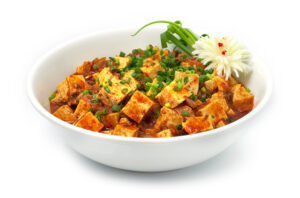
Mapo Tofu is a dish that tells a story of spice, comfort, and culinary tradition. Its origins reach deep into Sichuan cuisine, where chefs have long mastered the balance between heat and harmony. People around the world have embraced it not only for its bold character but also for the way it transforms simple tofu into a powerful meal.
The unique combination of tofu, minced meat, chili bean paste, and Sichuan peppercorn creates a flavor unlike anything else. Its aroma is both inviting and assertive, hinting at the savory experience before the first bite is even taken. As global palates expand, Mapo Tofu continues to grow as a cultural bridge between authentic Asian flavors and modern home cooking.
Whether enjoyed at a bustling street restaurant in Chengdu or prepared at home with a few key ingredients, this dish encourages creativity. Its variations expand beyond tradition—vegetarian twists, texture modifications, and regional additions all showcase the adaptability of this fiery comfort food.
1 – Traditional Sichuan Mapo Tofu
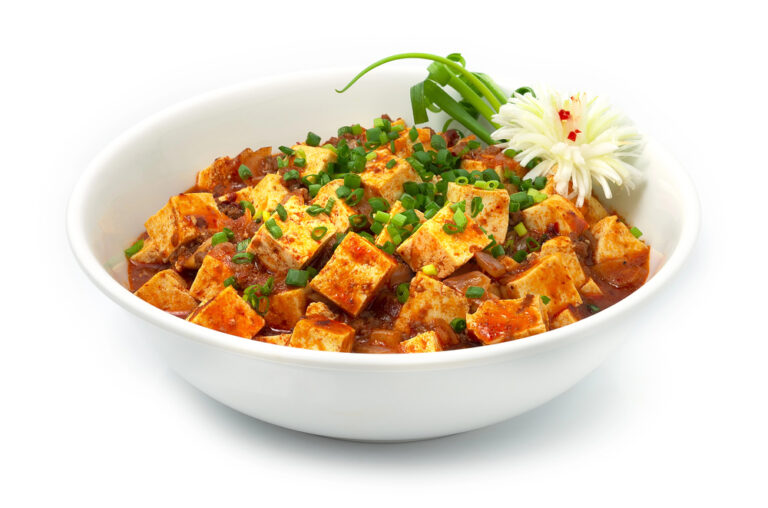
Mapo Tofu stands strongest in its traditional preparation, embodying the deep roots of Sichuan flavor. The primary ingredients include silken tofu, minced pork, fermented broad bean paste (doubanjiang), and fiery red chili oil. The signature mouth-tingling effect comes from Sichuan peppercorn, adding a bright, citrusy punch that transforms heat into a pleasurable sensation. This version remains closest to the dish’s historical origins in Chengdu neighborhoods more than a century ago.
This interpretation is savory and smooth, with soft tofu cubes that absorb every layer of spice. Although it may appear intense, each component is carefully balanced. The texture is delicate, and the heat lingers in a friendly way rather than overwhelming the palate.
2 – Vegetarian Mapo Tofu
Some versions skip meat entirely while still showcasing the signature Mapo Tofu flavor. Those who prefer plant-forward meals can substitute minced pork with finely chopped mushrooms, tofu crumbles, or textured vegetable protein. The seasoning remains the star, ensuring the dish retains its bold identity no matter the protein source. Even without meat, the peppercorn warmth and bean paste depth remain unmistakable.
A vegetarian adaptation is a comforting option for weeknight dinners, offering protein-rich tofu and vegetables without compromising on taste. It works well for those exploring a gentler approach to spice and those who want bold flavors grounded in sustainability.
3 – Mapo Tofu With Seafood
The addition of shrimp, scallops, or squid brings Mapo Tofu into a coastal celebration of flavors. The savory sauce coats every bite, while mild seafood absorbs heat differently than tofu alone. The result is a more layered experience that shifts between ocean freshness and chili warmth. Seafood lovers may find this style irresistible as it introduces a surprising yet satisfying contrast.
This version highlights culinary creativity. The smooth tofu remains the foundation, but every forkful provides a new combination of texture and taste. It feels like a special occasion meal, even when prepared in a home kitchen.
4 – Mapo Tofu With Extra Vegetables
A vegetable-enriched Mapo Tofu emphasizes color, crunch, and nutrition. Finely chopped bell peppers, bok choy, snow peas, or even eggplant can bring new excitement to the spice-forward recipe. Extra vegetables not only stretch the meal further but also absorb the rich sauce in unique and flavorful ways.
This variation softens some of the heat with natural sweetness. It invites home cooks to personalize the dish based on the season or what is available in the refrigerator. Each bite becomes a garden-fresh journey coated in savory delight.
5 – Mild Mapo Tofu for Beginners
Those new to spicy cuisine can approach Mapo Tofu with a milder introduction. Reducing chili bean paste and skipping whole chili flakes makes the dish more approachable while still holding onto the peppercorn fragrance. Mild versions offer the comfort of soft tofu and savory sauce without daring levels of heat.
This friendly introduction creates room for spice tolerance to grow. Families with diverse preferences can enjoy the same dish while adjusting intensity, making Mapo Tofu versatile and inclusive for all diners.
6 – Extra-Spicy Mapo Tofu
Some food lovers crave fire, and Mapo Tofu answers with enthusiasm. Doubling the chili paste and adding chili oil increases intensity while keeping the dish’s core flavors intact. This version invites thrill seekers to explore the boundaries of spice and enjoy the adventurous kick of Sichuan cuisine. When served steaming hot with rice, it becomes a bold and memorable meal.
Extra-spicy Mapo Tofu energizes the senses and encourages slow, appreciative bites. The beauty lies in its powerful yet aromatic sting that stays long after the last spoonful is gone.
7 – Crispy Mapo Tofu With Texture Twist
This playful interpretation gives Mapo Tofu a satisfying crunch. Instead of soft tofu alone, half of the tofu can be lightly pan-fried until golden, adding structure to every bite. The spicy sauce clings to the crisp edges, creating a contrast that surprises and delights. It is a version that encourages chefs to experiment with techniques that refresh tradition.
Texture is the highlight here. The crispy exterior protects the soft middle of each tofu cube, delivering variety while maintaining all the rich flavors and warming spices.
Regional Inspirations
Mapo Tofu adapts beautifully as it travels. Some interpretations reflect Japanese influences with gentler seasoning, while Korean versions add sweetness or gochujang heat. Across Southeast Asia, local peppers and herbs leave unique marks on the classic recipe, allowing each kitchen to personalize the dish without losing its identity.
This journey across borders shows how powerful comfort food can be in connecting cultures. Every regional user adds a little history of their own, making Mapo Tofu a culinary storyteller.
Cooking Techniques That Matter
Every Mapo Tofu transformation begins with technique. Simmering sauce before adding tofu ensures flavor saturation. Controlling heat is vital because too much temperature can break apart tofu before the sauce completes its magic. Gentle stirring preserves shape while letting it marinate fully in spice.
These mindful methods turn a simple ingredient into a dish worthy of admiration. Cooking it well is an act of appreciation for the flavors that make it iconic.
Ingredient Quality and Selection
Ingredients shape Mapo Tofu’s excellence. Fermented broad bean paste provides the unmistakable savory backbone, so choosing high-quality versions enhances the final result. Fresh Sichuan peppercorn creates the signature tingling note that balances heat with a playful buzz. Soft tofu should be fresh, smooth, and ready to absorb sauce.
Even small choices like fresh garlic, vibrant scallions, and aromatic ginger elevate the meal. Quality ingredients express respect for the dish’s heritage.
Serving And Presentation
The way Mapo Tofu is served influences experience. A deep bowl filled with steaming heat invites slow enjoyment. Rice underneath or alongside softens intensity and highlights flavor depth. Some modern restaurants drizzle chili oil for visual flair, adding a ruby-red glow that signals irresistible heat.
Presentation is more than appearance. It can shape mood, elevate excitement, and turn a comforting recipe into an unforgettable dinner.
Storage And Leftovers
Keeping Mapo Tofu for later is simple. Refrigeration maintains taste while allowing spice to mellow over time. Reheating slowly helps return softness without separating tofu or losing the silky texture of the sauce. Leftovers sometimes taste even better because the ingredients have rested together.
Storage allows the meal to continue nourishing as both convenience and comfort. It proves that flavor has the power to last beyond the first serving.
Health And Nutrition Notes
Tofu itself is nutritious, offering plant-based protein and a pleasant lightness in hearty dishes. Adjusting ingredients can tailor Mapo Tofu to different dietary needs. Leaner meats, increased vegetables, or reduced oils make it adaptable for health-focused lifestyles while keeping enjoyment intact.
Nutrition can coexist with pleasure, demonstrating that comforting foods can also support wellbeing. Mapo Tofu is one of those dishes that easily adapts without losing what makes it special.
References
[1] https://www.sciencedirect.com/science/article/pii/S0924224419304581
[2] https://www.tandfonline.com/doi/full/10.1080/15428052.2020.1848240
[3] https://link.springer.com/article/10.1007/s00003-015-0928-x